 As citizens of a global media landscape, the ability to recognize and resist propaganda is important. In helping build people’s critical thinking and communication skills, Mind over Media seeks to promote dialogue and discussion about what constitutes contemporary propaganda and how it may have positive, benign or negative impact on individuals and society. The project respects the power of digital crowdsourcing, active interpretation, and reflection as a means to cultivate robust yet respectful dialogue about the wide variety of forms of contemporary propaganda that surrounds us in our cultural environment.
Continuer la lecture de « Analyzing Propaganda: Mind over Media »
 The No Hate Speech Movement is a youth campaign led by the Council of Europe Youth Department seeking to mobilise young people to combat hate speech and promote human rights online. Launched in 2013, it was rolled out at the national and local levels through national campaigns in 45 countries. The movement will remain active beyond 2017 through the work of various national campaigns, online activists and partners.
 « School without racism » is a project for all school members.
  Hate speech on the Internet is an increasing, societal problem. According to a recent study, nearly 80% of Internet users have ever seen hate speech or hate comments on the Internet, while younger Internet users (14-24 years) even see it as 96% (Source: Landesanstalt für Medien NRW, 2018). To complement existing initiatives to regulate, monitor or report on online hate speech, the EU’s SELMA project (Social and Emotional Learning for Mutual Awareness) takes a pro-active approach: the two-year project aims to tackle online hate speech by promoting mutual understanding, tolerance and respect.
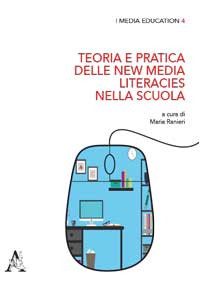 How does our way of reading and expressing ourselves in the digital age change?
 « Das NETTZ » is the networking site against Hate Speech in German-speaking countries. « Das NETTZ » promotes digital moral courage and advocates a positive debate and opinion culture on the web. The NETTZ wants to build and support actors of civil society in their work as a « community of objections ». On the site you will find initiatives, which are committed against Hate Speech.
 Young people spend more and more time online. The use of YouTube, Facebook and Twitter is an integral feature of their daily routine, and social media has become their primary source of information and entertainment. At the same time, it has become alarmingly easy to stumble into online content spreading hatred and calling for violence. To address this risk, the EU research project CONTRA is launching a preventive program against radicalization through propaganda on the Internet. By raising young people’s awareness about the content of hate messages and propaganda, youth can be empowered to recognize manipulation attempts and question them.
 « Populism and the Web: Communicative Practices of Parties and Movements across Europe » a new book by Mojca Pajnik & Birgit Sauer, MEET project partners. Analysing right-wing populist actors across Europe, their discourses and practices of online communication, it shows how social media is used to spread ideas and mobilize supporters, whilst also excluding constructed “others” such as migrants, Muslims, women or LGBT persons.
 The educational organization Helliwood has been implementing a model project for « strengthening the network’s commitment to hatred in the network », sponsored by the German Federal Ministry of Family Affairs, Senior Citizens, Women and Youth.
 Who are your intellectual grandparents? Who has influenced your work in media literacy? They are the people you have encountered, whose ideas resonate deeply with your own experiences, dreams and ideas. Their work speaks to issues that capture interest and engage imagination.